Employees across field service, dispatch, customer support, and administration.

 Lexington · Illustrative operating case
Atlas H · Field-service transformation
How a 40-person service business cut operational overhead by 40%.
A growing HVAC company replaced manual scheduling, disconnected intake, and constant administrative intervention with one coordinated operating environment—without adding technical staff.
0140 employeesField and office team
0240% less overheadAdministrative operating load
03Under 90 daysIllustrative return on investment
Executive snapshot
A working business constrained by the work behind the work.
Demand was not the problem. The company’s people were capable, its customer base was growing, and its technicians were busy. The constraint was coordination: too many routine decisions depended on calls, inboxes, spreadsheets, and individual memory.
A service model where speed, routing, capacity, and communication directly affect margin.
Days from connected workflow design to an illustrative return on investment.
Illustrative reduction in manual operational overhead after Atlas adoption.
Illustrative transformation profile developed from common SMB operating patterns. Replace performance claims with verified client data before external publication.
Before Atlas
Every task worked. The system did not.
The company had software, talented employees, and established routines. What it lacked was a common operating view. Each handoff created another opportunity for delay, duplication, or lost revenue.
Manual scheduling and dispatch
Coordinators rebuilt the day whenever an emergency call, cancellation, or technician delay occurred.
Inconsistent customer intake
Critical details entered through calls, forms, texts, and email—often requiring staff to re-enter information.
Disconnected operating tools
Customer, scheduling, billing, and reporting systems presented fragments instead of a shared picture.
An overwhelmed team
Employees had no appetite for another complicated rollout, even though the existing workload was unsustainable.
Limited investment capacity
Any modernization effort had to produce measurable value quickly and avoid a large internal technology function.
Growth required more hiring
Revenue growth increased administrative work almost one-for-one, limiting the operating leverage of the business.
The modernization principle
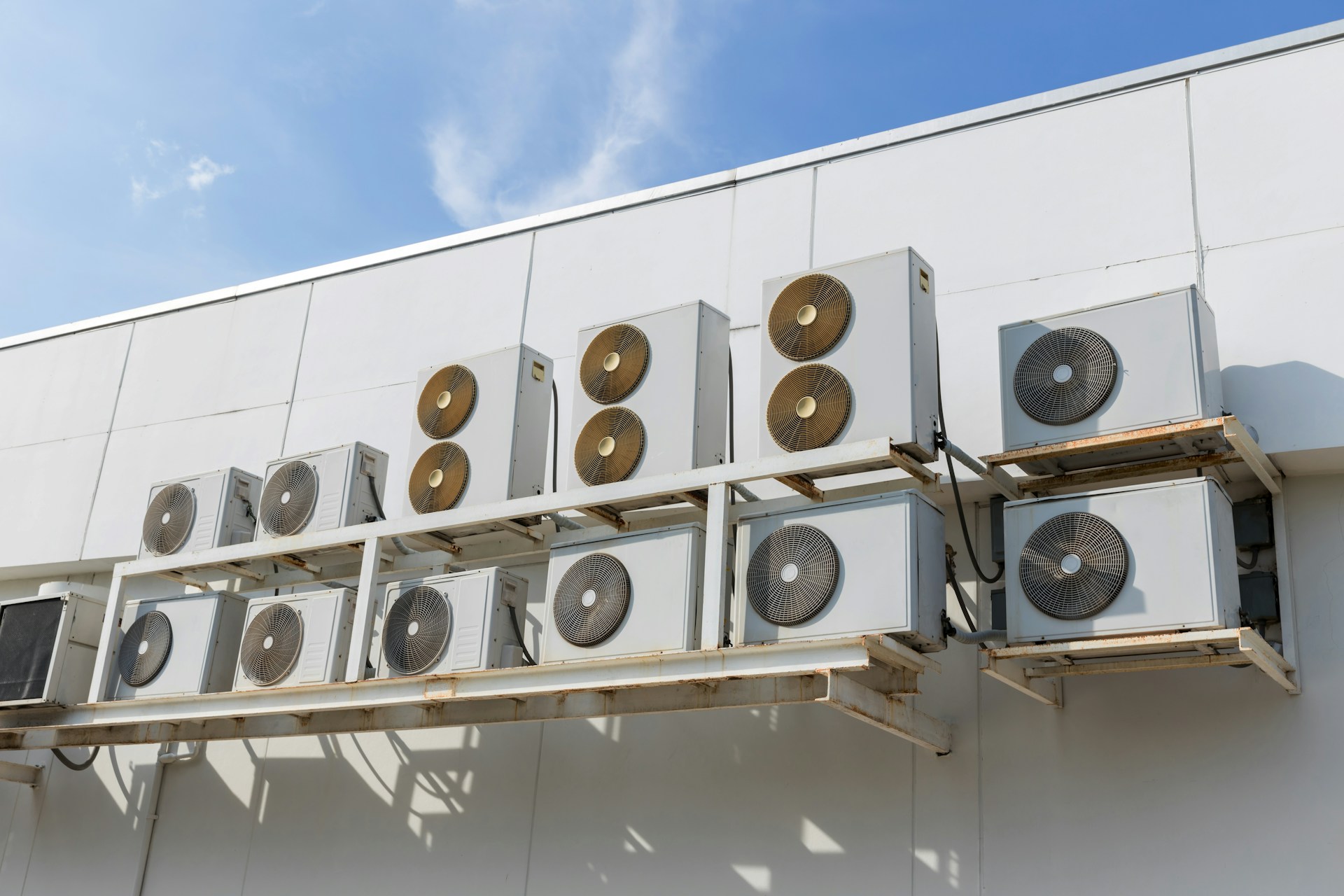
The old way can still move the business. That does not make it the best way to fly.
Introducing
One coordinated workflow from request to resolution.
Atlas H was introduced as a practical operating layer—not a wholesale replacement project. It connected the workflows employees already understood, automated repetitive coordination, and made the next required action visible.
Capture once.
Customer requests enter a consistent workflow with the information needed to qualify, prioritize, and route each job.
Coordinate capacity.
Availability, location, urgency, skills, and customer requirements inform scheduling and dispatch.
Keep everyone aligned.
Automated confirmations, reminders, status updates, and follow-ups reduce avoidable calls and uncertainty.
Learn from the work.
Leadership sees demand, bottlenecks, service performance, and operational patterns in one decision environment.
The 90-day journey
Adoption designed around the workday—not around the software.
The rollout focused first on the workflows creating the greatest administrative load. Employees encountered simple, menu-based steps while Atlas handled coordination behind the experience.
Connect the operating picture
Map intake, dispatch, scheduling, communication, and reporting. Establish the minimum data required for a reliable shared workflow.
Automate routine coordination
Launch prioritized intake, scheduling support, reminders, follow-ups, and management visibility for one operating team.
Scale what proves valuable
Refine rules from real usage, expand adoption, measure time returned to the team, and redirect capacity toward customers and growth.
Operating impact
Less administration. More control. A better customer experience.
The result was not simply fewer manual steps. The company gained operating leverage: more work could move through the business without adding the same proportion of coordination cost.
Before · fragmented operation
Customer intake
Requests arrived through multiple channels and required manual clarification.
Dispatch
The daily schedule depended on individual judgment and constant intervention.
Communication
Updates and follow-ups were inconsistent and difficult to track.
Management
Reporting looked backward and required time-consuming consolidation.
After · connected with Atlas H
Customer intake
Standardized information enters one prioritized operating queue.
Dispatch
Capacity, urgency, location, and skills support faster scheduling decisions.
Communication
Customers and employees receive timely, automated workflow updates.
Management
Leaders see current workload, constraints, and performance in one view.

The human result
Technology that gives the team time back.
Atlas H did not ask employees to become technical experts. It made everyday work easier to complete, easier to hand off, and easier to understand—helping adoption grow because the value was visible in the work itself.
01Less time spent coordinating repetitive tasks
02Faster, more consistent customer communication
03Improved retention through a more reliable experience
04Growth without equivalent administrative hiring
The executive takeaway
Atlas solves the problems growing businesses feel every day: time, complexity, communication, and cost.
Your current operating model may still work. The question is how much more your people and capital could accomplish with a better one.
Discuss your operating model