
Understand the current state
Interview stakeholders, map processes and systems, inventory data, evaluate quality, identify risk, and quantify operational pain.
Lexington Data Consulting · Strategy to Delivery
Lexington helps growing companies assess what they have, design what they need, build the right data infrastructure, and turn information into efficient operations, stronger decisions, and sustainable growth.
The Lexington approach
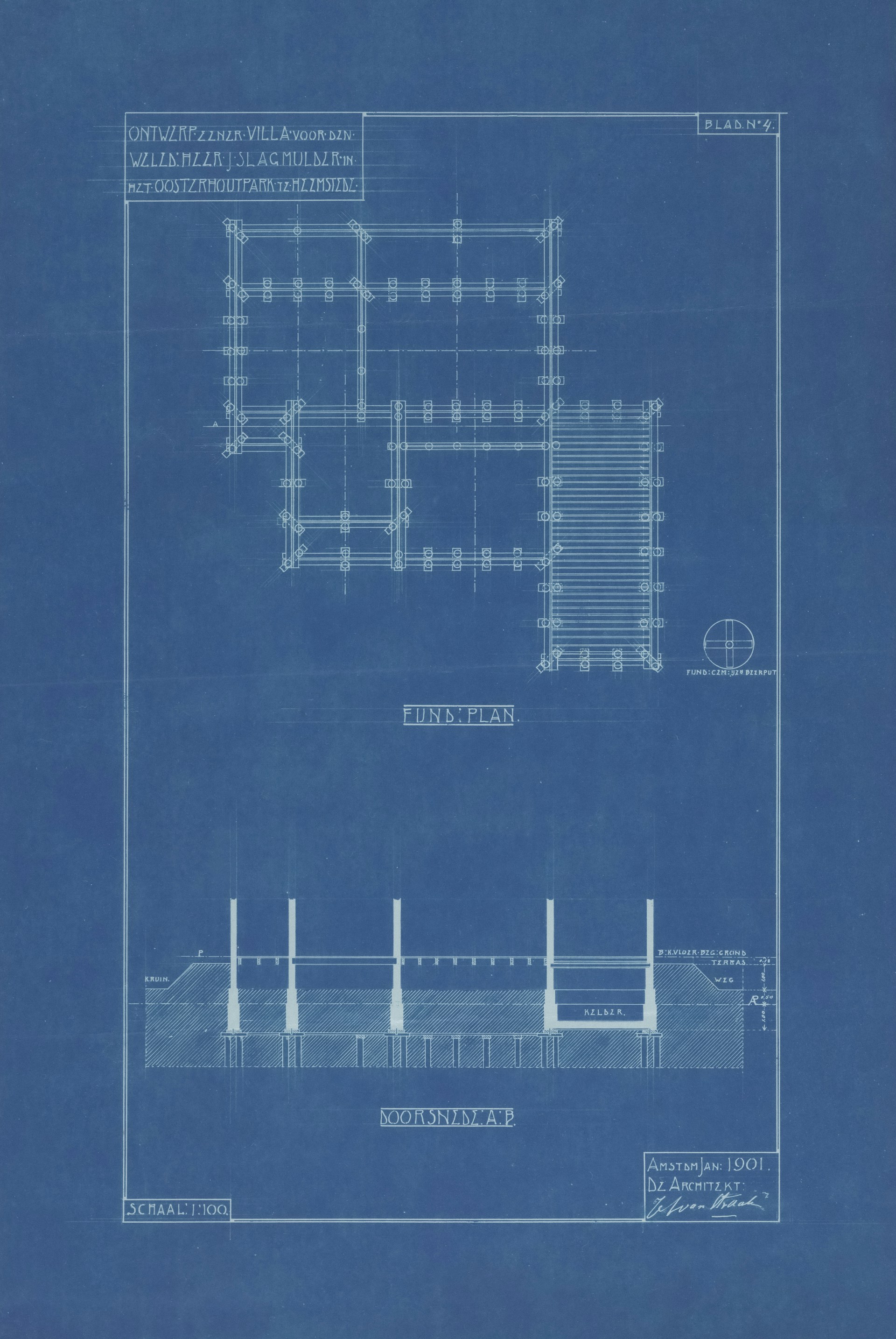
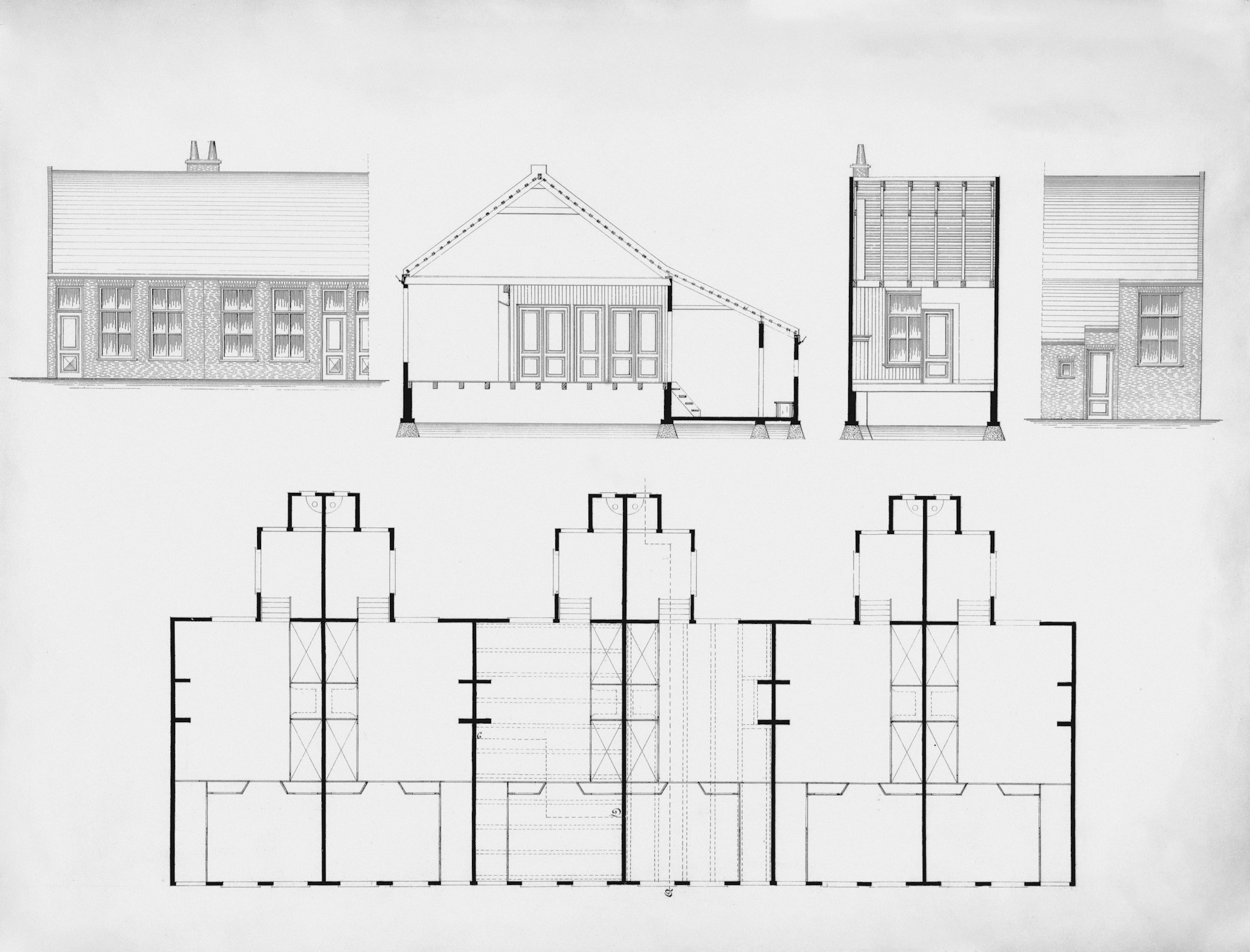
Like architects, we begin with the people who will use the space, the problems the current structure creates, and the future it must support.
Some companies need a renovation: better reporting, cleaner data, or one automated workflow. Others need a new foundation: connected systems, governed infrastructure, and an enterprise decision layer. We design the engagement around the business—not around a predetermined technology.
The architecture analogy
We understand how the company operates, identify structural weaknesses, define the desired outcome, and create a practical blueprint. Only then do we select the right data, cloud, integration, automation, intelligence, and governance components.
From assessment to measurable value
Interview stakeholders, map processes and systems, inventory data, evaluate quality, identify risk, and quantify operational pain.
Define the target operating model, architecture, priorities, governance, success measures, investment, sequencing, and roadmap.
Implement integrations, pipelines, databases, warehouses, lakes, lakehouses, cloud environments, security, and quality controls.
Deliver KPIs, dashboards, workflows, automation, AI agents, decision environments, training, and change enablement.
Monitor adoption, performance, quality, cost, model behavior, controls, outcomes, and the next opportunity for value.
What Lexington can deliver
We connect strategy, architecture, implementation, decision intelligence, and adoption so clients do not receive another isolated tool. They receive an operating capability.
Current-state assessments, stakeholder interviews, process and system mapping, maturity reviews, pain-point analysis, use-case prioritization, business cases, investment planning, and phased roadmaps.
Target-state architecture, platform selection, domain design, data models, integration patterns, security boundaries, resilience, scalability, cost architecture, and technology standards.
Batch, streaming, event-driven, API, database, and file-based pipelines; orchestration, transformation, scheduling, monitoring, alerting, retry logic, and service-level controls.
Source profiling, field mapping, cleansing, deduplication, conversion, historical-data movement, test migrations, reconciliation, cutover planning, rollback, validation, and post-migration support.
ERP, CRM, banking, treasury, HR, inventory, e-commerce, marketing, and industry-platform integration through APIs, middleware, webhooks, secure files, and custom connectors.
Cloud readiness, platform landing zones, hybrid architecture, workload migration, storage and compute design, identity, networking, backup, disaster recovery, observability, and cost optimization.
Relational and non-relational databases, schemas, indexing, performance tuning, high availability, backup, recovery, archival, security, application data models, and legacy modernization.
Dimensional models, fact and dimension tables, certified historical reporting, financial and operational marts, semantic layers, performance optimization, and governed enterprise metrics.
Scalable storage for structured, semi-structured, and unstructured information; landing zones, raw history, partitioning, metadata, lifecycle management, security, and governed access.
Flexible lake storage with warehouse-grade reliability, transactional controls, unified governance, curated data products, analytics, machine learning, and reusable enterprise information.
Profiling, validation rules, completeness, accuracy, timeliness, duplicate detection, exception workflows, source-to-target reconciliation, issue tracking, monitoring, and quality scorecards.
Ownership, stewardship, business glossaries, catalogs, lineage, classification, access controls, retention, privacy, auditability, policy design, regulatory alignment, and governance operating models.
Authoritative customer, product, vendor, employee, account, entity, location, and reference records; matching, survivorship, hierarchies, synchronization, and golden-record management.
Executive dashboards, operational reports, financial metrics, scorecards, semantic models, self-service analytics, alerts, mobile views, standardized calculations, and performance narratives.
Demand, cash, capacity, risk, churn, service, and performance forecasting; scenario analysis, segmentation, optimization, anomaly detection, predictive models, and model monitoring.
Connected operating signals, scenarios, assumptions, constraints, financial and operational consequences, recommendations, prioritization, approvals, and human-controlled decision support.
Intake, scheduling, dispatch, approvals, communications, documents, reminders, exception handling, process orchestration, and bounded AI agents that use approved tools and escalation rules.
Platform administration, pipeline monitoring, incident response, quality operations, release management, documentation, training, adoption, governance support, performance tuning, and continuous improvement.
Built for growing companies
They need focused improvements that save time, protect cash, improve service, and create capacity without requiring a large internal technology department.
Industry applications
The technology changes by client. The commercial objective remains consistent: reduce friction, improve control, protect margin, and help the organization scale.
Lead intake, quoting, scheduling, dispatch, technician utilization, parts visibility, preventive maintenance, customer communication, and service profitability.
Patient intake, reminders, no-show reduction, capacity, documentation workflows, referral tracking, revenue-cycle visibility, and privacy-aware reporting.
Client intake, matter routing, document workflows, deadlines, utilization, billing, pipeline visibility, knowledge management, and engagement profitability.
Demand, production capacity, inventory, materials, suppliers, quality, maintenance, lead times, unit economics, obsolescence, and margin analysis.
Orders, fulfillment, warehouse capacity, routing, carrier performance, inventory positioning, service levels, border exposure, and cost-to-serve.
Reservations, staffing, purchasing, food cost, waste, location performance, guest communication, loyalty, demand forecasting, and daily cash visibility.
Customer journeys, product performance, inventory, replenishment, promotions, returns, marketing attribution, fulfillment, margin, and lifetime value.
Lead conversion, membership retention, class capacity, scheduling, communications, location performance, campaign automation, and customer engagement.
Project pipelines, budgets, schedules, contractors, procurement, change orders, occupancy, asset performance, maintenance, and portfolio reporting.
Cash visibility, liquidity, forecasting, bank relationships, debt, investments, payments, currency exposure, controls, and working-capital decisions.
Donor and member engagement, program outcomes, grants, events, communications, budgets, impact reporting, and resource allocation.
Marketing, intake, appointments, customer communications, workforce capacity, service quality, recurring revenue, retention, and financial performance.

Technology with a business purpose
The right foundation reduces manual work, improves trust in the numbers, accelerates decisions, strengthens customer service, and gives a growing company room to move.
What success should create
Fewer manual handoffs, duplicate entries, spreadsheet reconciliations, and preventable delays.
Trusted definitions, visible ownership, monitored processes, stronger governance, and earlier risk recognition.
Timely context, connected KPIs, clearer tradeoffs, stronger forecasts, and decisions tied to measurable outcomes.
Scalable infrastructure and workflows that allow the company to serve more customers without adding unnecessary complexity.
Begin with the operating problem
Let Lexington assess the current structure, identify the highest-value opportunities, and design a phased path from fragmented information to connected performance.